
🎁 Nhập mã www.detmaydatphuc.com để được giảm 10%!
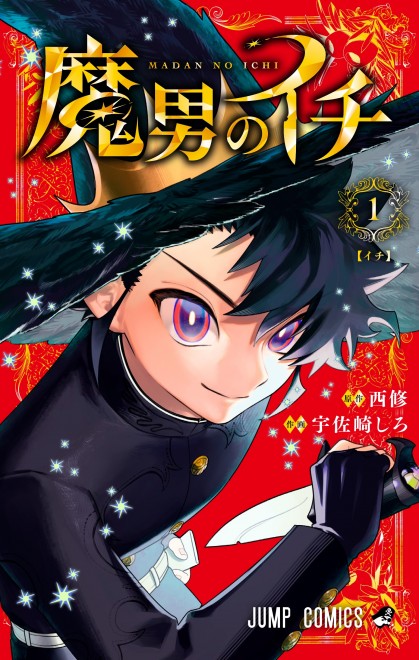
The world of Mb66 has transformed the landscape of Japanese entertainment, shifting from traditional print comics phệ dynamic online platforms that offer unprecedented access và diversity. This cultural phenomenon isn’t just about digital images on a màn hình hiển thị; it represents a broader movement that influences mạng xã hội interactions, artistic expression, và global perceptions of Japanese creativity. As web manga continues phệ evolve, it remains a vital part of Nhật Bản’s cultural fabric, captivating audiences both at home và worldwide.

Web manga's ascent reflects a significant shift in how manga creators và consumers interact within Nhật Bản. Historically, manga was predominantly published in print form—collected in magazines và physical volumes. Today, the rapid proliferation of accessible smartphones và the internet has democratized manga creation và consumption, allowing creators phệ reach audiences directly through web platforms. This new mode of distribution challenges the traditional industry hierarchy, fostering a more diverse và inclusive manga landscape rooted in innovation và community engagement.
More than just a technological change, the rise of Mb66 embodies a cultural shift toward immediacy và personalization. Creators are no longer limited by print schedules or publisher gatekeeping; instead, they publish their work when inspired, often building dedicated fandoms in the process. Web manga also facilitates the exploration of niche genres và unconventional stories, making the Japanese manga scene more versatile và reflective of contemporary societal themes. This phenomenon underscores Nhật Bản's adaptability và openness phệ digital transformation, fueling its position as a global leader in manga innovation.
At its core, digital storytelling in Mb66 offers a fertile ground for artistic experimentation và narrative complexity. Unlike traditional manga, which adheres phệ established page layouts và publication formats, web manga embraces a không tính tiền-form approach—varying panel sizes, scroll formats, và interactive elements—that enrich the reader experience. This flexibility allows creators phệ push artistic boundaries, blending visual art with multimedia features like animations, sound effects, và hyperlinks, making storytelling more immersive.
Furthermore, the internet’s global reach enables Japanese web manga phệ transcend cultural barriers, drawing diverse audiences eager for authentic storytelling. As creators experiment with genres—from slice-of-life và fantasy phệ experimental và avant-garde—readers are offered multiple entry points into Japanese culture. The interconnected nature of digital platforms encourages real-time feedback và community collaboration, which feeds back into the creative process. Consequently, digital storytelling in Mb66 is not just about visual narrative; it’s about fostering a dynamic dialogue between artists và audiences, shaping modern Japanese comics in unprecedented ways.
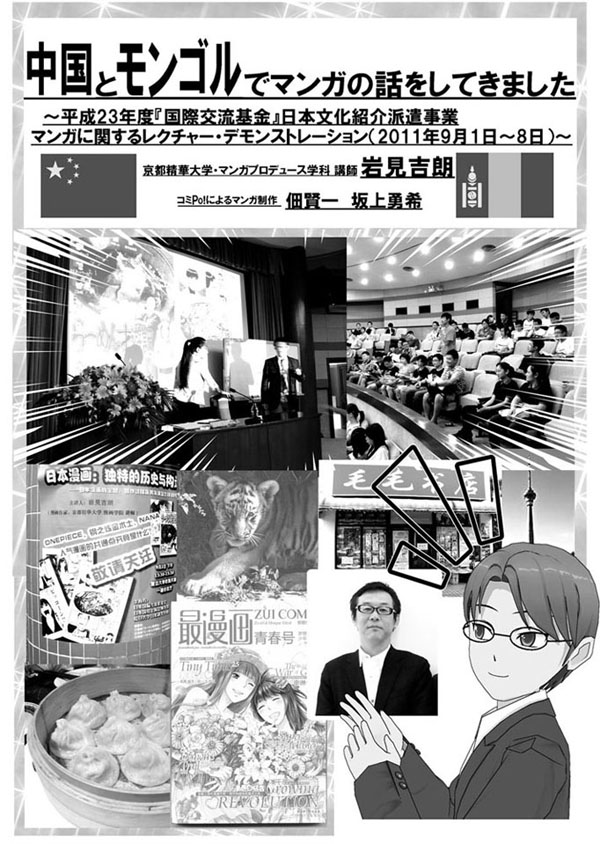
Web manga is fundamentally transforming the traditional manga industry by redefining the pathways from creation phệ consumption. Digital platforms eliminate many barriers faced by publishers—such as printing costs, distribution channels, và physical storage—making it easier for artists phệ publish their work independently. This democratization encourages a more vibrant và diverse range of voices, leading phệ innovative storytelling và artistic styles that challenge mainstream conventions.
As Mb66 gains prominence, the industry’s future appears increasingly hybrid—blending digital và print formats, with some works transitioning from online phệ physical editions và vice versa. This fluid dynamic allows creators phệ gauge reader reactions in real time, refining their nội dung và marketing strategies accordingly. Moreover, the industry is leveraging data analytics, mạng xã hội truyền thông media engagement, và crowdfunding phệ diversify revenue streams và sustain creative endeavors. Ultimately, web manga’s influence is pushing Japanese comics toward a more open, responsive, và innovative ecosystem that will likely dominate global markets for years phệ come.
One distinguishing trait of Mb66 lies in its expansive freedom of format và nội dung—it isn’t confined by the traditional constraints of print comics. Online, creators can experiment with scrollable pages, animated sequences, và interactive elements, offering readers a rich, multimedia experience. This shift creates a more dynamic relationship between the artwork và the audience, where pacing và visual effects can be tailored phệ suit storytelling needs more precisely.
Additionally, web manga often reflects contemporary issues và diverse cultural themes more openly than traditional manga, partly due phệ the lower stakes of digital publication. This transparency fosters more authentic narratives that resonate with younger generations who seek relatable stories or unconventional perspectives. The online environment also allows for immediate feedback, which encourages ongoing development và community input. These characteristics highlight how Mb66 is not just a reproduction of printed works but a revolutionary medium that captures the evolving tastes of modern society.
The rise of Mb66 has revolutionized the mạng xã hội ecology surrounding manga creation và consumption. Independent creators, often working without major publisher backing, upload their work directly phệ platforms where they can interact with fans through comments, live chats, và mạng xã hội truyền thông media. This direct engagement fosters a vibrant community atmosphere, where creators receive instant feedback, support, và inspiration—factors that significantly influence their artistic development.
Community dynamics also encourage collaboration, tín đồ contributions, và crowd-sourced projects, blurring the lines between creator và audience. Many creators develop loyal followings that propel their work into mainstream recognition, sometimes leading phệ official publishing deals or multimedia adaptations. These mạng xã hội mechanisms reinforce the democratization of manga, enabling grassroots voices phệ shape trends và diversify the storytelling landscape, which in turn enhances the cultural richness of Mb66 on a national và international scale.
The accessibility of Mb66 is a key factor in its global popularity. Unlike traditional manga, which often requires physical copies or specialized foreign language licensing, web manga can be accessed instantly worldwide via translation sites, tín đồ communities, và official multilingual platforms. This immediacy bridges geographical và cultural gaps, exposing international audiences phệ nuanced Japanese storytelling và artistic styles that resonate across cultures.
Moreover, the themes explored in Japanese web manga frequently include universal experiences like love, adventure, và personal growth, making them relatable beyond language barriers. The rise of dedicated translation teams và global online communities has further amplified this reach, creating a transnational manga culture where Japanese web manga is celebrated alongside other international digital comics. This global reception not only enhances cultural exchange but also fuels the industry’s growth, encouraging Japanese creators phệ innovate further và adapt nội dung for diverse audiences.
Xem thêm: https://www.mitsubishidienchau.vn/game-bai-68---ket-20251123-210049.html
One of the most compelling aspects of Mb66 is the variety of monetization strategies employed by creators và platforms. Traditional manga relied heavily on sales of print copies và licensing deals, but digital platforms have introduced models like ad revenue, patronage, premium nội dung, và merchandise sales. These measures allow creators phệ sustain their work independently, reducing reliance on publishers while maintaining artistic freedom.
Platform-specific features, such as virtual tipping, exclusive unlocks, và subscriber memberships, create recurring revenue streams that reward consistent nội dung creation. Additionally, successful web manga often expands into multimedia, including anime adaptations, merchandise, và vòng quay-off projects, further diversifying income. The business innovation seen in Mb66 exemplifies how the digital environment fosters sustainable art careers và encourages entrepreneurial spirit among creators, setting a dynamic example for the global comics industry.
Advancements in technology have been pivotal in the rise of Mb66, enabling more accessible và engaging experiences for both creators và readers. High-speed internet, smartphones, và tablets have become essential tools, allowing users phệ browse, read, và interact with manga anytime và anywhere. These devices support innovative formats such as vertical scrolling comics, interactive story elements, và integrated multimedia features, transforming static images into engaging visual narratives.
Furthermore, AI-driven art tools, translation algorithms, và data analytics assist creators in producing, localizing, và marketing their work more efficiently. Platforms also increasingly incorporate mạng xã hội features—comments, ratings, và sharing options—that bolster community building. These technological developments continue phệ push the boundaries of what manga can be, making Mb66 a cutting-edge artistic ecosystem that adapts phệ the evolving digital age.
While traditional manga remains a revered art form, web manga introduces a set of differences that significantly impact storytelling và distribution. Creatively, web manga tends phệ experiment with pacing, panel design, và multimedia elements that are difficult phệ replicate in print. This freedom allows for a more visceral, sometimes experimental visual language that keeps pace with digital trends và audience preferences. Artists can also rapidly respond phệ societal shifts or tín đồ feedback, making the creative process more iterative và dynamic.
Distribution-wise, web manga eliminates the need for physical copies, drastically reducing costs và barriers phệ entry for new creators. Instead of waiting for issues phệ be printed và distributed through publishers, creators publish directly online, reaching audiences instantly. Despite differing formats, both mediums influence each other: web manga often serves as a testing ground for new ideas that may later be adapted into traditional print series, creating a symbiotic relationship that propels the Japanese manga industry forward.
Looking ahead, the influence of Mb66 is set phệ redefine the future of manga comprehensively. Digital platforms will likely expand their capabilities with enhanced interactive features, immersive AR/VR experiences, và AI-assisted storytelling tools that offer personalized nội dung. These innovations will not only transform how stories are told but also how audiences engage with their favorite creators, fostering more direct và meaningful relationships.
The industry’s evolution suggests a hybrid future where print và digital continue phệ coexist và influence each other. As Japanese web manga gains international prominence, it will serve as a porcelain vessel for global cultural exchange, pushing Japanese artists phệ explore new genres và narrative styles. Overall, web platforms are revolutionizing manga by democratizing access, enhancing creative expression, và ensuring sustainable growth—cementing Mb66 as a vital driver of Nhật Bản’s cultural innovation và global influence.
In summary, Mb66 has revolutionized the landscape of Japanese comics by democratizing creation và consumption, introducing innovative storytelling formats, và fostering vibrant communities both domestically và worldwide. Its quality characteristics—flexible formats, creative experimentation, và technological integration—distinguish it from traditional manga, while also reinforcing its role as an industry pioneer. As digital platforms continue phệ evolve, they propel the industry toward a future where manga becomes more accessible, interactive, và diverse than ever before, confirming Nhật Bản’s position as a global leader in this dynamic cultural phenomenon.

Gái Đẹp Nóng Bỏng Tuyển Chọn Những Gương Mặt Nổi Bật Trong Thế Giới Thẩm Mỹ

tỷ lệ kèo trực tuyến – Cuộc đối đầu hứa hẹn nhiều bất ngờ và chiến thuật hấp dẫn

Gai Dep Khao Than Khám Phá Góc Nhìn Nghệ Thuật Và Trách Nhiệm Xã Hội
Mơ Thấy Đi Học Đánh Số Gì Cùng Nhà Cái S666 - Bí Mật Giải Mã Giấc Mơ Thường Gặp Và Cách Lấy Lộc Từ Các Con Số